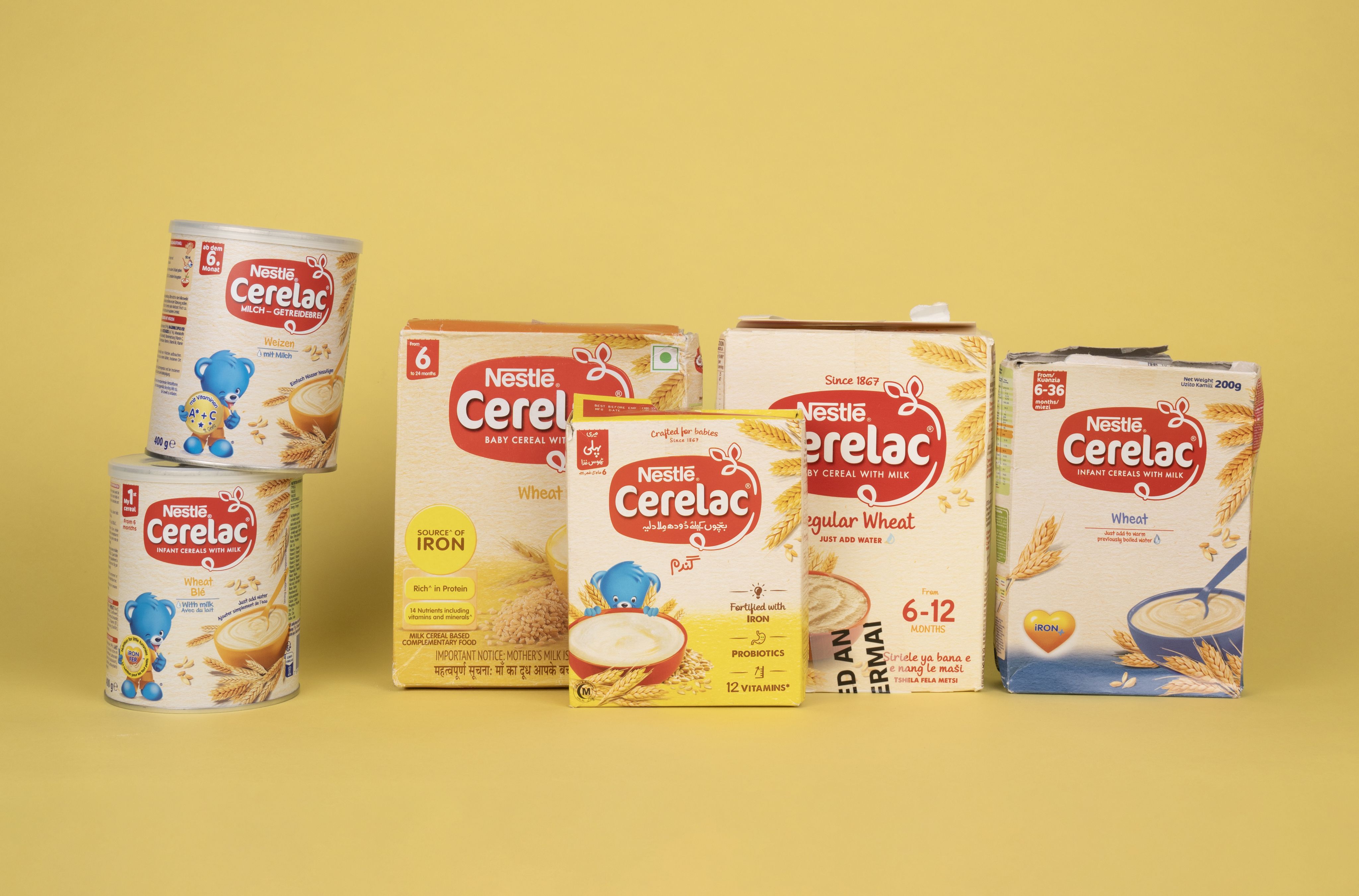
Nestl is facing intense global scrutiny after a Swiss watchdog accused the company of adding sugar to its Cerelac baby cereals sold across Africa, even though the same products in Europe contain no added sweeteners. The investigation, published by Public Eye on 18 November 2025, alleges Nestl is violating World Health Organisation guidelines by marketing sugar-laden cereals to infants under the age of two, a direct breach of WHO policy that strictly warns against added sugars for toddlers to prevent obesity, dental problems, and early sugar dependency. While Cerelac sold in Switzerland, Germany, and the United Kingdom contains no added sugar for babies from six months, Public Eye says African variants contain significant amounts. The findings have provoked outrage among public health groups across the continent. A coalition of nineteen Africa based civil society organisations wrote to Nestl CEO Philipp Navratil, accusing the multinational of operating with double standards and demanding an immediate recall of sugary Cerelac from African markets. Their letter stated, If added sugar is not suitable for Swiss and European children, it is not suitable for children in Africa and beyond. All babies have an equal right to healthy nutrition, regardless of their nationality or skin color. Nestl has strongly rejected the allegations. A spokesperson told Al Jazeera the report contained misleading and unfounded allegations, insisting, We do not have double standards, our approach to nutrition is consistent across all countries. Nestl is committed to the wellbeing of children everywhere in the world, and we treat all children equally, irrespective of where they are. According to the company, it offers both sugar free and sweetened variants worldwide and is working toward ensuring all Cerelac lines have no added sugar by the end of 2025. But laboratory tests commissioned by Public Eye appear to challenge that defence. Nearly one hundred Cerelac products collected from twenty African countries reportedly contained added sugar, averaging almost six grams per serving. One Kenyan product intended for babies as young as six months contained 7.5 grams of sugar, nearly two full cubes. The revelations land at a critical moment for Africa, where childhood obesity is rising sharply even as undernutrition persists. WHO figures show the number of overweight children under five has almost doubled since 1990, leaving countries struggling with a dual burden of malnutrition and excess weight. Public health advocates argue that introducing babies to sugar so early helps fuel this crisis. Nestl maintains that undernutrition remains a severe concern in Africa and insists it does not compromise on the safety or quality of its foods. But for the civil society coalition, the issue is clear. Their letter bluntly concluded, Let us be clear: By adding sugar to infant cereals, Nestl is deliberately putting the health of African babies at risk for profit. This must end now.


0 Comments