
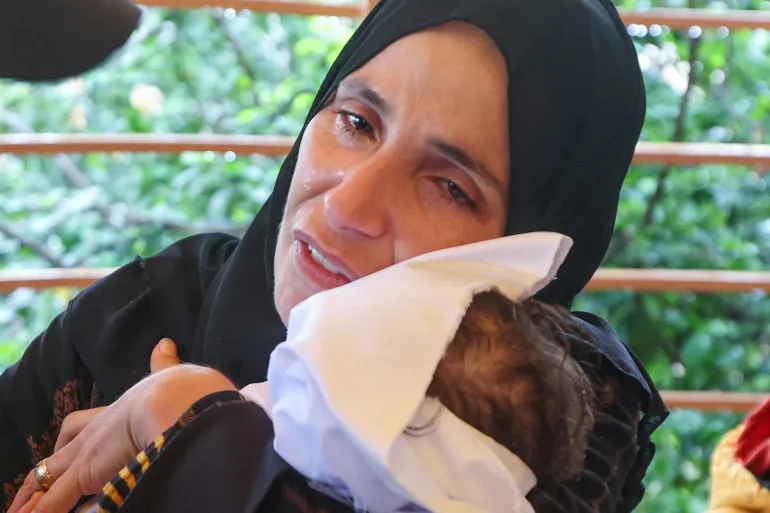
 At least four Palestinian babies have died from cold-related causes in Gaza since November, as power cuts cripple hospital incubators and displaced families struggle to survive harsh winter conditions in flooded tents. Two-month-old Mohammed Abu Harbid is the latest infant to die after suffering severe hypothermia, according to health officials. Zaher al-Wahidi, director of health information at Gazas Ministry of Health, said the baby died at al-Rantisi Childrens Hospital. His death brings the number of children who have frozen to death in the enclave since November to four, and at least 12 since the start of the war in October 2023. As heavy rain, strong winds and falling temperatures grip Gaza, thousands of displaced families are facing an escalating humanitarian emergency, with infants, children and the elderly among the most vulnerable acording to a report by Al Jazeera. At al-Awda Hospital in the Nuseirat refugee camp, a newly opened neonatal ward is struggling to keep premature babies alive amid severe shortages. The ward, established to cope with rising demand, receives dozens of infants, many of them born early due to their mothers poor health. Medical staff say they face acute shortages of equipment, medication and baby formula. Some incubators reportedly lack internal batteries, leaving them unusable during frequent power outages. During visits to the facility, electricity reportedly cut out multiple times within an hour, causing incubators to lose heat immediately. Health workers warn that premature babies are especially vulnerable to hypothermia, which can quickly become fatal in such conditions. Outside hospitals, conditions for displaced families remain dire. In western Gaza City, families sheltering in makeshift tents described spending sleepless nights bracing against wind and rain as water floods their bedding and illness spreads among children. Parents said their tents offer little protection, describing them as thin fabric that fails to shield families from cold or storms. Many said they lack access to medicine, lighting or proper shelter, making it difficult to care for sick children during the night. Children sheltering in the camps expressed simple wishes for warmer, more durable tents to protect them from rain and cold, while families appealed for urgent humanitarian assistance, including caravans, winterised shelters and basic supplies. .

0 Comments