
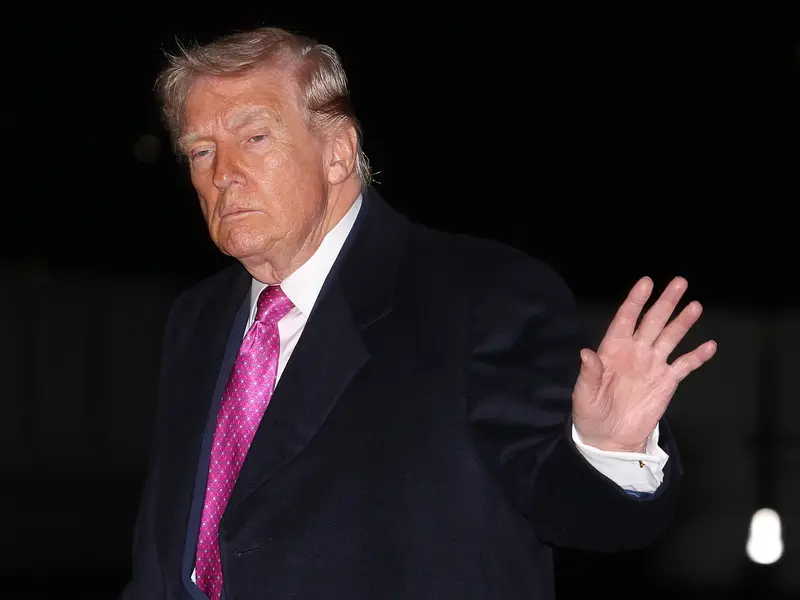
A proposed 45-day ceasefire in the ongoing conflict with Iran has sparked a mixed reaction from US President Donald Trump. On Monday, April 6, he expressed his support for the plan, calling it a significant step forward, while also emphasizing that Iran's nuclear ambitions remain a major concern. Speaking at the White House, Trump highlighted the ongoing negotiations through intermediaries, but made it clear that the proposal didn't quite meet his expectations. He stressed that any agreement must ensure Iran does not acquire nuclear weapons.
Iran, however, has officially rejected the ceasefire plan, choosing to communicate its stance through Pakistan's Islamic Republic News Agency. Instead of a temporary truce, Tehran has called for a permanent end to the conflict. In a statement, Foreign Ministry spokesperson Esmaeil Baghaei emphasized that negotiations cannot be based on ultimatums, violence, or threats of further military action. Iran's response reportedly includes a comprehensive 10-point framework, which proposes a broader regional de-escalation, guarantees for safe passage through the Strait of Hormuz, the lifting of sanctions, and a commitment to post-war reconstruction.
The ceasefire proposal was initially put forward by mediators from Egypt, Pakistan, and Turkey. A US official described it as just one of several options being discussed, noting that Trump has yet to formally approve it, and military operations continue. Despite these diplomatic efforts, Trump has issued a stern warning, setting a deadline and threatening major strikes against Iran's infrastructure if no agreement is reached. He indicated

0 Comments