
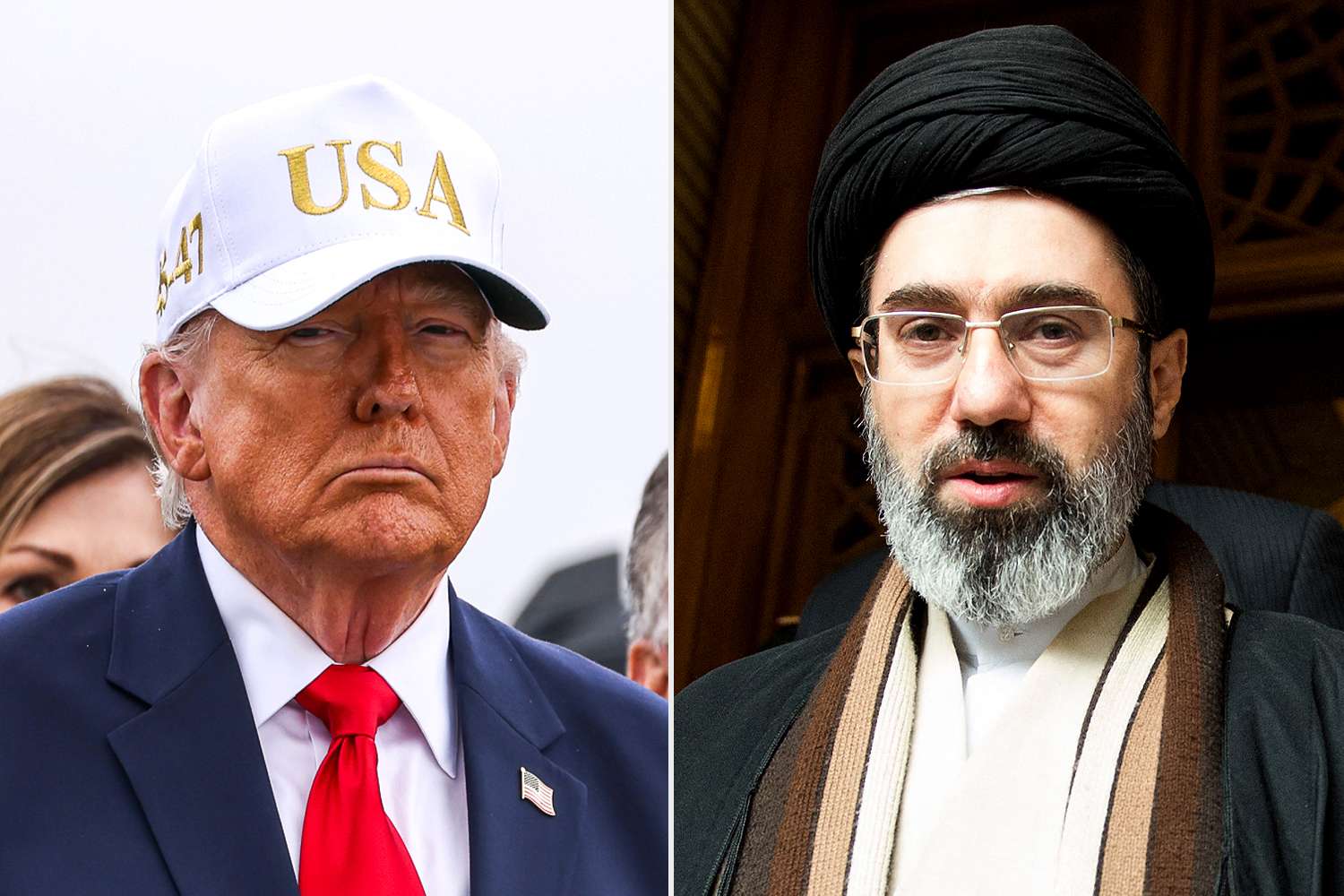
A major breakthrough is on the horizon in the ongoing conflict between Iran and the United States. A new proposal, dubbed the Islamabad Accord, has been put forth, calling for an immediate ceasefire and paving the way for a comprehensive peace agreement. The framework, reportedly facilitated by Pakistan, outlines a two-pronged approach: first, a swift ceasefire that could reopen the strategically crucial Strait of Hormuz, and second, negotiations for a lasting agreement within 15 to 20 days.
The proposed deal would initially take the form of a memorandum of understanding, with final agreements expected to be hammered out through direct talks in Islamabad. Pakistan is playing a crucial role in facilitating communication between the two parties, with high-level contacts involving senior officials from both sides, as well as regional mediators. Under the proposal, a quick ceasefire would ease tensions and restore shipping activity through the Strait of Hormuz, which is a critical artery for global oil and gas supplies.
The longer-term agreement would see Iran agreeing to limit its nuclear programme in exchange for relief from sanctions and access to frozen assets. While diplomatic efforts have intensified, Iran has yet to formally commit to the proposal, with discussions ongoing and additional outreach from countries like Turkey and Egypt aimed at securing Tehran's participation. The push for a ceasefire comes at a critical time, as the escalating conflict has disrupted energy markets and raised global concerns over supply chains. The Strait of Hormuz, through which a significant portion of the world's energy exports passes, remains a central focus of the

0 Comments