
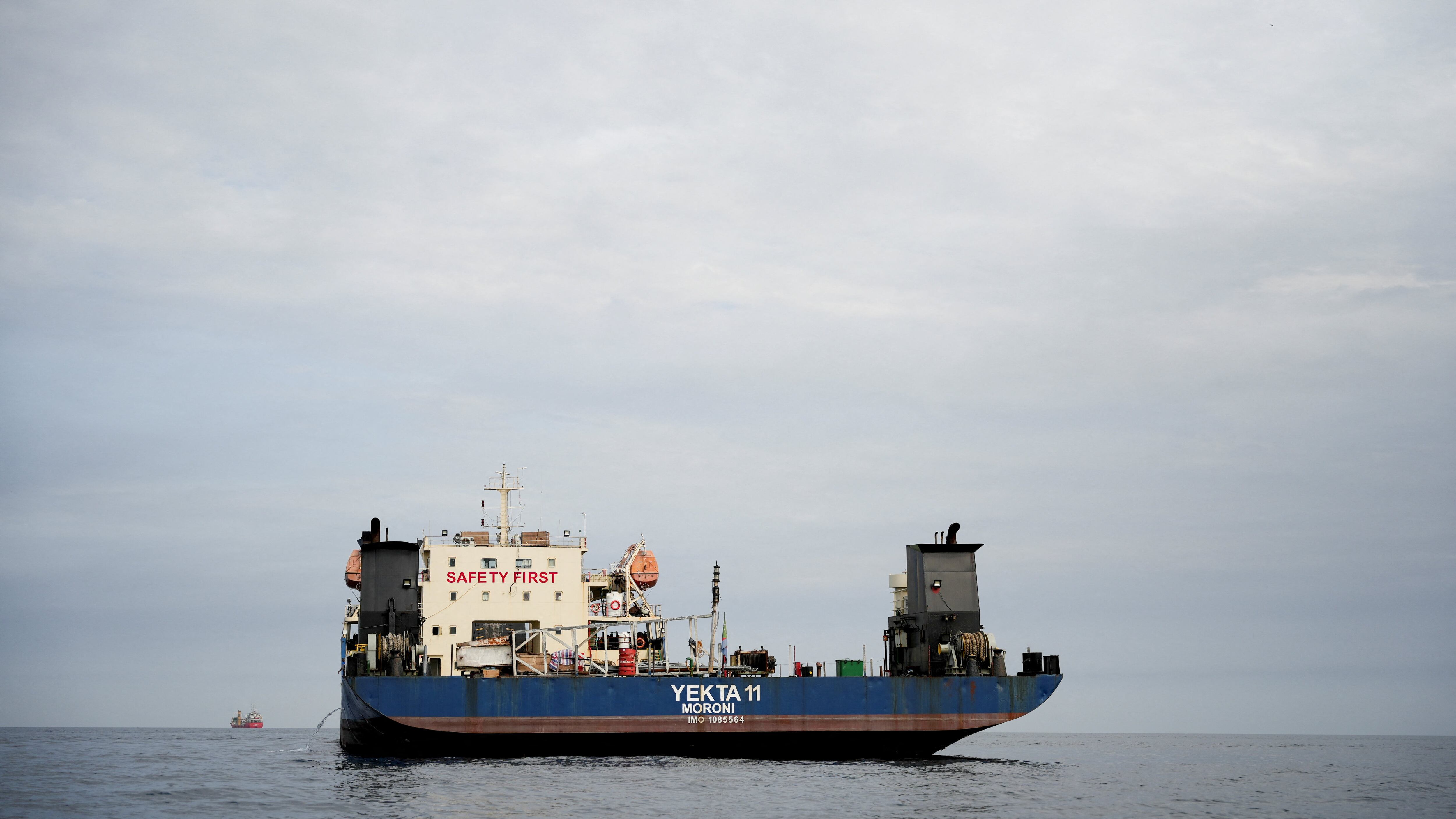
The escalating tensions between the United States and Iran have reached a boiling point as the US military initiated a total maritime blockade of all Iranian ports and coastal areas on Monday. This move follows the collapse of high-level negotiations in Islamabad over the weekend, which failed to secure a permanent end to the six-week war and placed a fragile two-week ceasefire in immediate jeopardy. The talks, the first direct diplomatic meeting between the two nations in over a decade, had been seen as a crucial step towards resolving the conflict, but the inability to reach a balanced agreement has resulted in a swift return to hostilities.
The blockade, enforced impartially against all vessels entering or departing Iranian ports in the Arabian Gulf and the Gulf of Oman, regardless of their nationality, has sent shockwaves through the global energy market, with benchmark crude oil prices surging over 7% to surpass $100 per barrel. US President Donald Trump has stated that U.S. forces will intercept any vessel in international waters that has paid tolls to Iran, characterizing such payments as illegal, and the US Navy is preparing to destroy Iranian mines within the Strait of Hormuz to ensure safe passage for neutral commercial traffic.
Tehran has responded with a warning of a harsh retaliation, accusing the United States of "maximalism" during the failed Islamabad negotiations. Despite the escalating tensions, President Trump suggested that Iran might eventually return to the bargaining table, though he cautioned that high energy prices could persist through the U.S. midterm elections. Analysts have raised concerns regarding the long-term feasibility of this strategy, noting that sustaining such a massive, independent maritime mission may be difficult to maintain over several months.
As commercial tankers begin to avoid the waterway, the international community remains on high alert for a potential expansion of the regional conflict. With the US Navy's increased presence in the region, the situation is becoming increasingly volatile, and the consequences of a full-blown conflict could be catastrophic. The global economy, already reeling from the effects of the pandemic, may face further instability as the price of oil continues to rise.
The people of the region, particularly those living in coastal areas, are bracing themselves for the worst. The blockade and the threat of a potential war have created a sense of uncertainty and fear, and it is unclear how long this situation will continue. For now, the world watches with bated breath as the situation unfolds, and the international community hopes that a peaceful resolution can be reached before it's too late.

0 Comments