
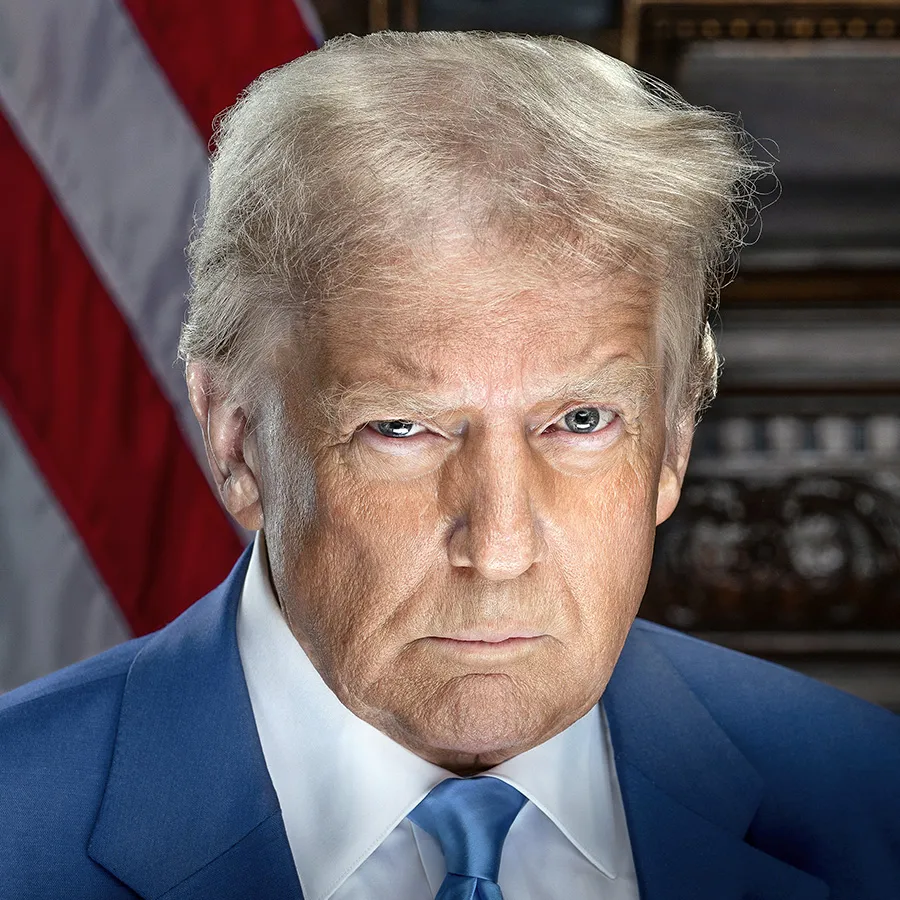
The ongoing tensions in the Middle East have taken center stage once again, with the United States and Iran engaging in a fragile ceasefire mediated by Pakistan. Amidst this delicate diplomatic backdrop, US President Donald Trump has reaffirmed the country's military presence near Iran, stating that American forces will remain stationed in the region until a "real agreement" is finalized and fully complied with.
Trump's announcement, made on Truth Social, comes as the two-week truce is put to the test. Despite the diplomatic window being open, the situation remains precarious, with Israel continuing intense bombardments in Lebanon and conflicting reports emerging regarding the specific demands required to end the regional war. The US President has warned that the country is prepared to launch "bigger, and better, and stronger" strikes if negotiations fail, with the military currently "loading up and resting" in preparation for any necessary future action.
At the heart of the upcoming talks in Islamabad is the status of the Strait of Hormuz, a vital maritime chokepoint that carries one-fifth of the world's oil. Iran has agreed to reopen the waterway for the duration of the truce but insists it will maintain "dominion" over the passage. This contradicts the US demand for the passage to remain permanently open and safe under international standards. The complexities of the situation are further compounded by Iran's nuclear program, with state media in Tehran recently circulating a list of demands that included Washington's acceptance of their uranium enrichment program.
The presence of the US military in the region serves as a clear signal of Washington's "maximum pressure" strategy during the two-week negotiation window. As diplomats prepare for the summit in Pakistan, the stakes are high, and the outcome is far from certain. The US President's stance on Iran's nuclear program, asserting that the issue of enrichment will be "taken care of" during negotiations, maintains his position that Iran will possess no nuclear weapons.
The broader significance of this story lies in its implications for regional stability and global security. The ongoing tensions in the Middle East have far-reaching consequences, affecting not only the countries directly involved but also the global economy and international relations. As the diplomatic efforts continue, it remains to be seen whether a lasting agreement can be reached, and the US military presence in the region will continue to be a key factor in shaping the outcome.

0 Comments