
Diplomatic Talks Between US and Iran Stall After 21 Hours of Negotiations
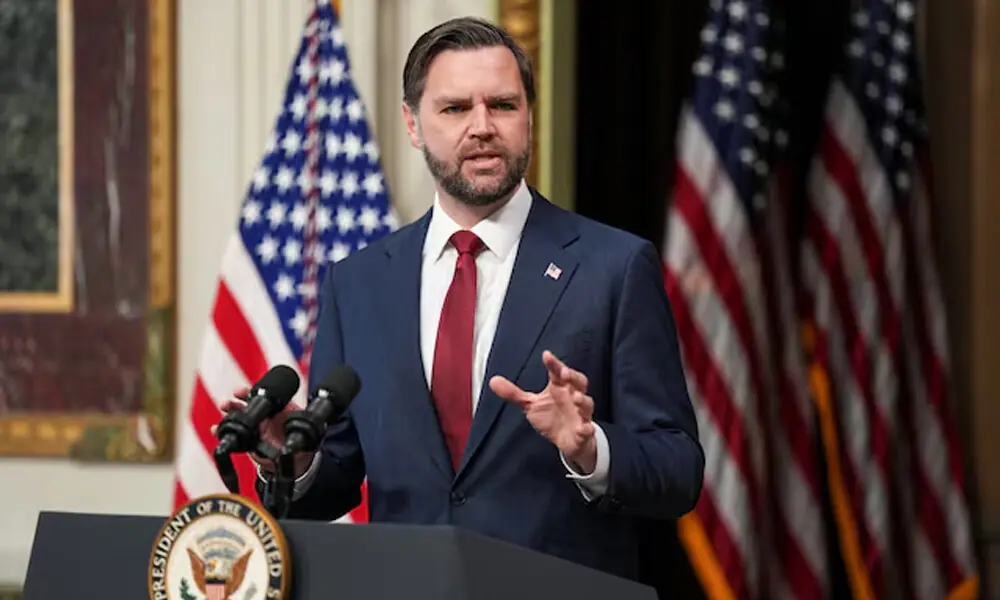
The highly anticipated diplomatic talks between the United States and Iran have stalled after 21 hours of fruitless negotiations in Islamabad, Pakistan's capital. Vice President JD Vance, leading the US delegation, revealed that Tehran refused to accept Washington's terms, describing the outcome as "bad news for Iran much more than its bad news for the United States of America." The talks, the highest-level meeting between the two nations since the 1979 Islamic revolution, aimed to resolve long-standing issues, including Iran's nuclear program and control of the Strait of Hormuz.
However, despite the setback, analysts believe that the talks may not be entirely over. Al Jazeera correspondent John Hendren noted that President Donald Trump's decision to send Vance demonstrated the US's commitment to the negotiations. Hendren also pointed out that the main sticking points – the Strait of Hormuz and gaps in the nuclear issue – were significant, but not insurmountable. He suggested that the US is demanding Iran pledge not only to refrain from developing nuclear weapons but also to refrain from attempting to access the necessary tools.
In response to the stalled talks, Iran's Ministry of Foreign Affairs downplayed expectations, stating that no one had anticipated an agreement in a single session. Ministry spokesperson Esmaeil Baghaei expressed confidence that contacts between Iran, Pakistan, and other regional allies would continue. Pakistani Foreign Minister Ishaq Dar also called on both countries to uphold the ceasefire and pursue lasting peace, acknowledging Pakistan's role as a mediator.
Meanwhile, the significance of the stalled talks extends beyond the immediate issue of nuclear disarmament. The negotiations represent a critical test of the US's approach to diplomacy with Iran, particularly under the Trump administration. The outcome will have far-reaching implications for regional stability, global security, and the future of US-Iran relations. As the talks are not entirely off the table, observers will be watching closely for any developments or signs of renewed engagement.
The community impact of the stalled talks is multifaceted. The region's fragile security situation will likely remain precarious, with tensions between the US and Iran potentially escalating. Conversely, a renewed commitment to diplomacy could lead to breakthroughs in resolving outstanding issues and promoting regional cooperation. As the situation unfolds, it is essential for the international community to remain engaged and supportive of efforts towards lasting peace and stability in the region.

0 Comments